
Get quote
Get Free Consultation!
We are ready to answer right now! free consultation.
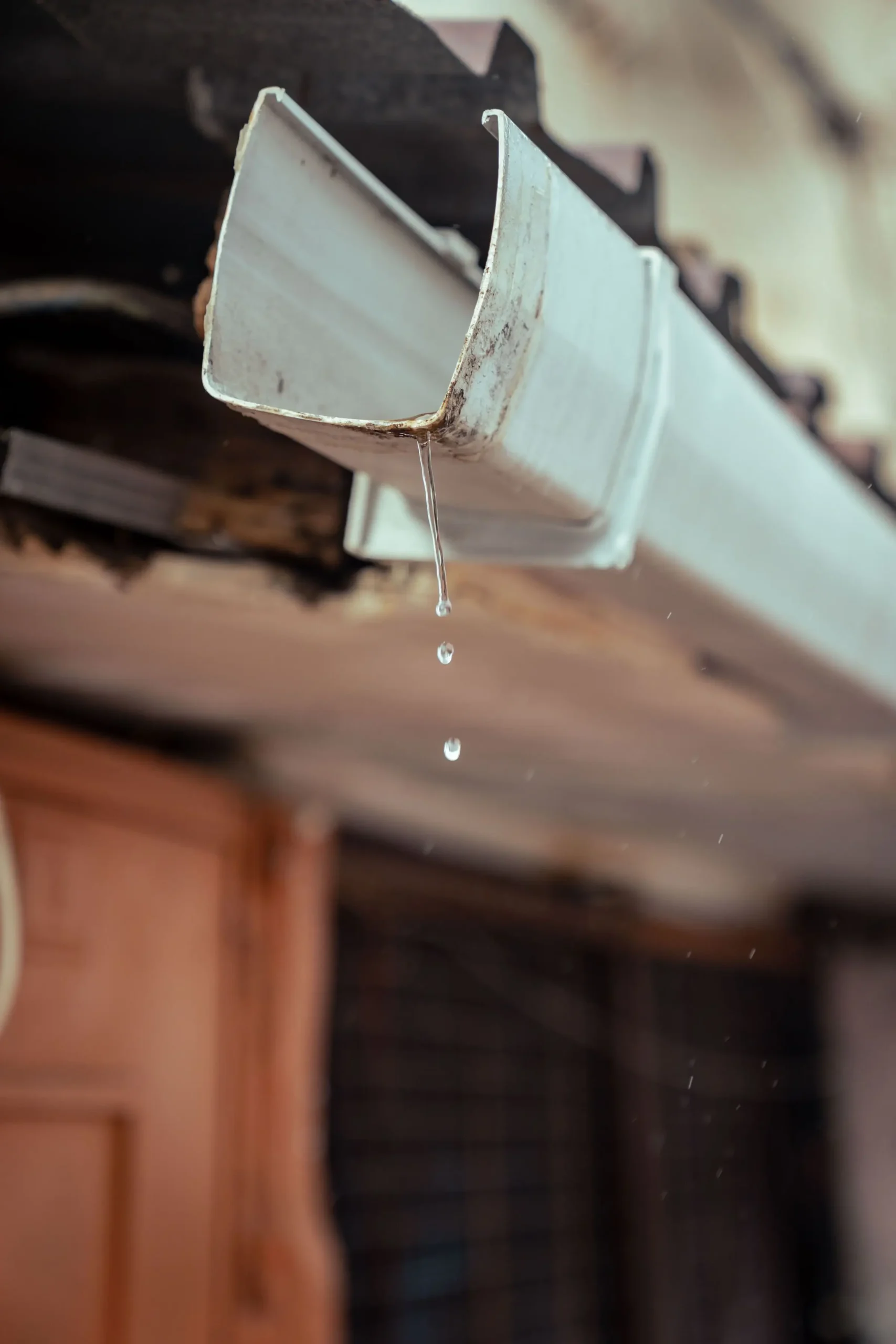
Roof maintenance in Toronto should be a condition-led record built around water routes and safe observations. In spring, document snowmelt effects and drainage. Before summer storms, review visible valleys, gutters, outlets and penetrations. In autumn, remove debris through qualified service before it blocks flow. In winter, stay off icy roofs and record interior or ground-level changes. Maintenance supports a serviceable roof; it does not replace repair of a damaged component.
King Roofing & Construction provides maintenance, inspection, repair and replacement for asphalt-shingle and flat roof systems across Toronto and surrounding areas. Its verified service information includes valleys, penetrations, gutters, downspouts, ventilation and drainage. The plan below uses those real components without inventing fixed intervals or warranties.
After snow and ice clear enough for safe qualified review, compare interior observations with roof geometry and drainage. Note gutter or downspout damage visible from the ground, debris at accessible outlets through authorized procedures, and any change around valleys, walls or penetrations.
Do not assume every moisture mark during thawing is a roof leak. Plumbing, condensation and attic conditions can create alternate sources. Record timing and location, then use inspection to connect the evidence.
Focus on outlets, gutters, downspouts, valleys and interior areas that changed during freeze-thaw events.
Review known drainage routes and visible junctions before intense rain exposes blocked or damaged components.
Keep valleys, gutters and flat-roof outlets clear through safe, qualified service and record any separate roof condition.
Stay off snowy or icy surfaces. Document ground-level drainage and interior timing for later assessment.
During safe ground-level observation, identify which slopes and valleys feed an overflowing gutter section. Note whether water reaches the downspout and where discharge goes. On a flat roof, authorized staff can use existing procedures to observe outlet zones; unqualified occupants should not go onto the roof.
| Observation | Maintenance response if the system is serviceable | When to request inspection |
|---|---|---|
| Debris visible in gutter or valley | Arrange safe clearing and record the location | Material below is damaged or water continues to behave abnormally |
| Flat-roof outlet has debris | Use authorized qualified removal and preserve drainage | Water remains, outlet detail is affected or surface condition is visible |
| Downspout connection is loose | Address the drainage component within the appropriate service | Water has affected the roof edge, wall or interior |
| Interior mark changes during rain | Protect the space safely and record timing | Investigate the water path; maintenance alone is not a diagnosis |
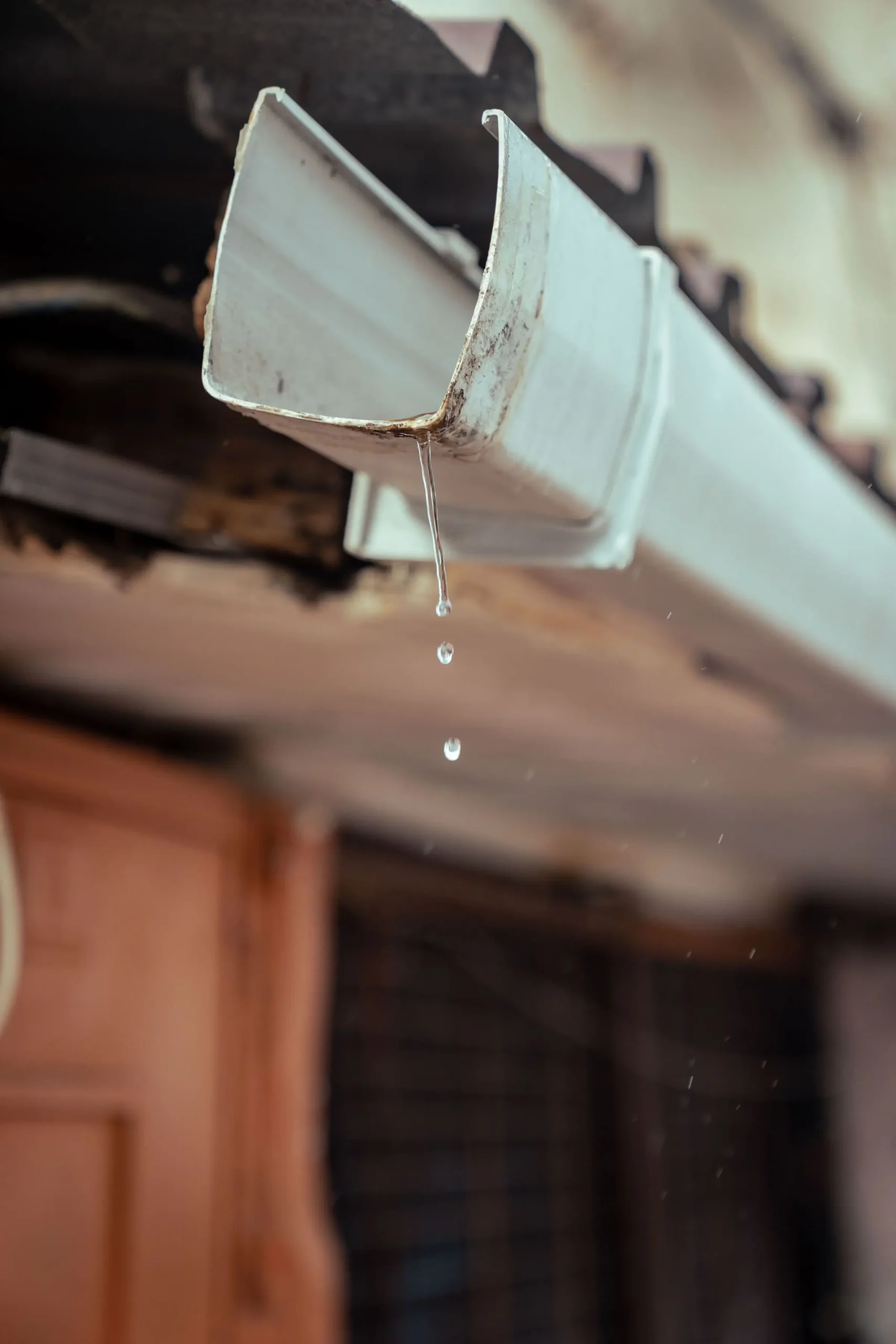
From the ground, note visible changes in open courses, valleys, dormer walls, penetrations and eaves. Do not press down shingles, add exposed fasteners or apply sealant without assessment. A visible defect may need repair even when no leak has appeared.
Keep earlier repair locations on the roof map. Maintenance can revisit those valleys, flashing details and receiving gutters. It should not claim that concealed underlayment or deck is inspected through the finished surface.
Assign stable names to outlets, perimeters and penetrations. Record debris clearing and visible conditions by zone. If water remains after drainage should have progressed, note time after the event and request assessment rather than repeatedly clearing an already open outlet.
On a commercial property, coordinate roof access with the building manager and keep equipment ownership current. On a residential low-slope addition, include the transition to the main wall or shingle roof in the condition map.
Autumn scenario: Leaves collect where a rear shingle valley feeds a short gutter above an addition. Qualified maintenance clears the route and records the location. Because staining is also visible at the wall transition, the owner schedules inspection instead of treating debris removal as the complete repair.
Snow and ice can hide roof surfaces, outlets and edges. Do not climb to clear or inspect them without qualified service and appropriate controls. Canada’s public safety guidance emphasizes keeping drains clear while avoiding unsafe snow and ice work. Property owners can document indoor changes and visible ground-level drainage.
If an interior mark appears during thawing, record the date, room, roof geometry and later change. Do not assume ice, shingles or a flat-roof outlet is the source. A safe inspection can test the plausible routes when conditions permit.
Clearing debris supports water movement. It does not restore displaced shingles, open flashing, damaged gutter connections, flat-roof seams or penetration details. The maintenance record should separate completed care from visible defects and recommend the appropriate next review.
A repair boundary should identify the component and surrounding material needed for integration. If conditions are widespread or recurring, replacement may deserve comparison. Maintenance should never be used to postpone a known repair by repeatedly cleaning around it.
Frost, condensation or uneven snow can prompt questions about ventilation, but visible roof vents are only part of the route. Soffit intake, attic divisions, air leakage and insulation also matter. Record observations and seek a condition-based assessment rather than adding a vent as a universal response.
Roof maintenance can review visible ventilation interfaces. It should distinguish roofing work from building-envelope measures outside the service. Keep any separate recommendations in the property record.
Property managers should keep authorized access, roof-zone maps, equipment contacts and tenant communication procedures current. A maintenance visit can review outlets and visible details without disrupting the building unnecessarily. If repair is found, the manager already has the operations information needed to scope it.
Record which zones were reviewed and any limits caused by equipment, weather or access. A broad note that “roof maintained” should not imply every surface and concealed layer was assessed.
Create a property file with seasonal observations, qualified service, inspection findings, repairs and replacements. The exact service frequency should follow roof condition, property needs, unusual weather and the project documents. The King Roofing website does not publish a universal interval.
Stable labels make the file useful: front valley, rear dormer, flat addition outlet, north perimeter or roof above Unit 4. If ownership or management changes, the roof history remains tied to physical locations.
When debris is removed from gutters or outlets, record whether water can move and whether the component itself shows damage. A cleared path may reveal a loose connection, affected roof edge or flat-roof detail that needs inspection. Do not keep repeating maintenance when the record already identifies a repair condition.
For homes with an addition, inspect the transition after thawing through safe qualified service. For commercial roofs, map each cleared outlet to the zone and occupied area below. If one location repeatedly holds water, include elapsed time after weather in the next assessment request.
Before or after major rain events, review known wall junctions, valleys, roof penetrations and flat-roof perimeters. Homeowners can document from the ground and interior. Authorized commercial staff can follow building procedures. The aim is to update the map, not to search randomly across the roof.
If wind-driven rain creates a symptom, note direction and the affected room. If heavy rain causes gutter overflow, identify the feeding slope and valley. Those facts help distinguish drainage maintenance from a flashing, shingle or flat-roof repair.
Leaves can collect in shingle valleys, eavestroughs and flat-roof outlets. Arrange safe service before flow is restricted and record the specific locations cleared. Do not assume every roof needs the same date; surrounding trees, roof geometry and actual debris determine the work.
After clearing, document visible material conditions that require a roofer’s assessment. Maintenance providers should not cover an open detail with an improvised treatment or represent outlet cleaning as a roof repair.
Property owners and managers should know whom to notify, how to protect occupied space safely and which records to collect. King Roofing’s site does not promise emergency or same-day response, so availability must be confirmed. Avoid dangerous roof access during snow, ice, wind or active precipitation.
For commercial buildings, include the site contact and affected-unit process. For homes, keep children and occupants away from damaged ceiling material or electrical concerns and use appropriate professionals. The permanent roof review can follow when safe conditions allow.
If the earlier work involved a valley, wall or penetration, later observation should include surrounding courses and receiving drainage. A repair record with context images makes this possible. Do not disturb shingles to test the repair; report visible changes and weather timing.
If a new defect appears on another slope, create a separate entry. This prevents the earlier repair from being blamed for an unrelated condition and helps the inspection determine whether a wider pattern exists.
Review the treated penetration, perimeter or outlet together with the surface feeding it. Note retained water with time after rain. Keep retained zones separate and update the map if equipment or drainage changes.
A surface treatment does not eliminate the need to keep outlets functional. Outlet clearing does not establish the condition of concealed substrate. The maintenance record should preserve those distinct functions.
New siding, rooftop equipment, additions, gutters or downspout changes can alter transitions and water routes. Add the work date, responsible trade and affected roof area. Arrange focused inspection when the change creates a new junction.
Do not let exterior renovation records remain separate from roof history when the systems physically meet. A future contractor should know that a dormer wall was reclad or an equipment penetration was added after the last roof service.
At the end of the maintenance cycle, identify which observations were cleared through maintenance, resolved through repair, monitored after inspection or remain open. Carry unresolved locations forward with their original dates and evidence.
This continuity prevents repeated intake from erasing the property story. It also shows when one component receives recurring attention and deserves a broader condition discussion. The record supports decisions without pretending maintenance guarantees future performance.
Store the year-end review with the roof map, not as a separate calendar reminder. The locations are what make next season’s observations comparable and keep a completed gutter or outlet task from being mistaken for work on the roof surface.
Roof maintenance Toronto plans should keep shingles, valleys, gutters, flat-roof outlets, perimeters and penetrations visible in the property history. Maintenance removes manageable obstructions and records condition. Inspection explains uncertainty. Repair restores damaged details, and replacement addresses a broader assembly when evidence supports it.
Use the Toronto roof inspection scope when observations need interpretation. Shingle owners can read the four-weather shingle guide, while low-slope properties can use the drainage-path article. For a known defect, compare repair and replacement boundaries.

