

Get quote
Get Free Consultation!
We are ready to answer right now! free consultation.
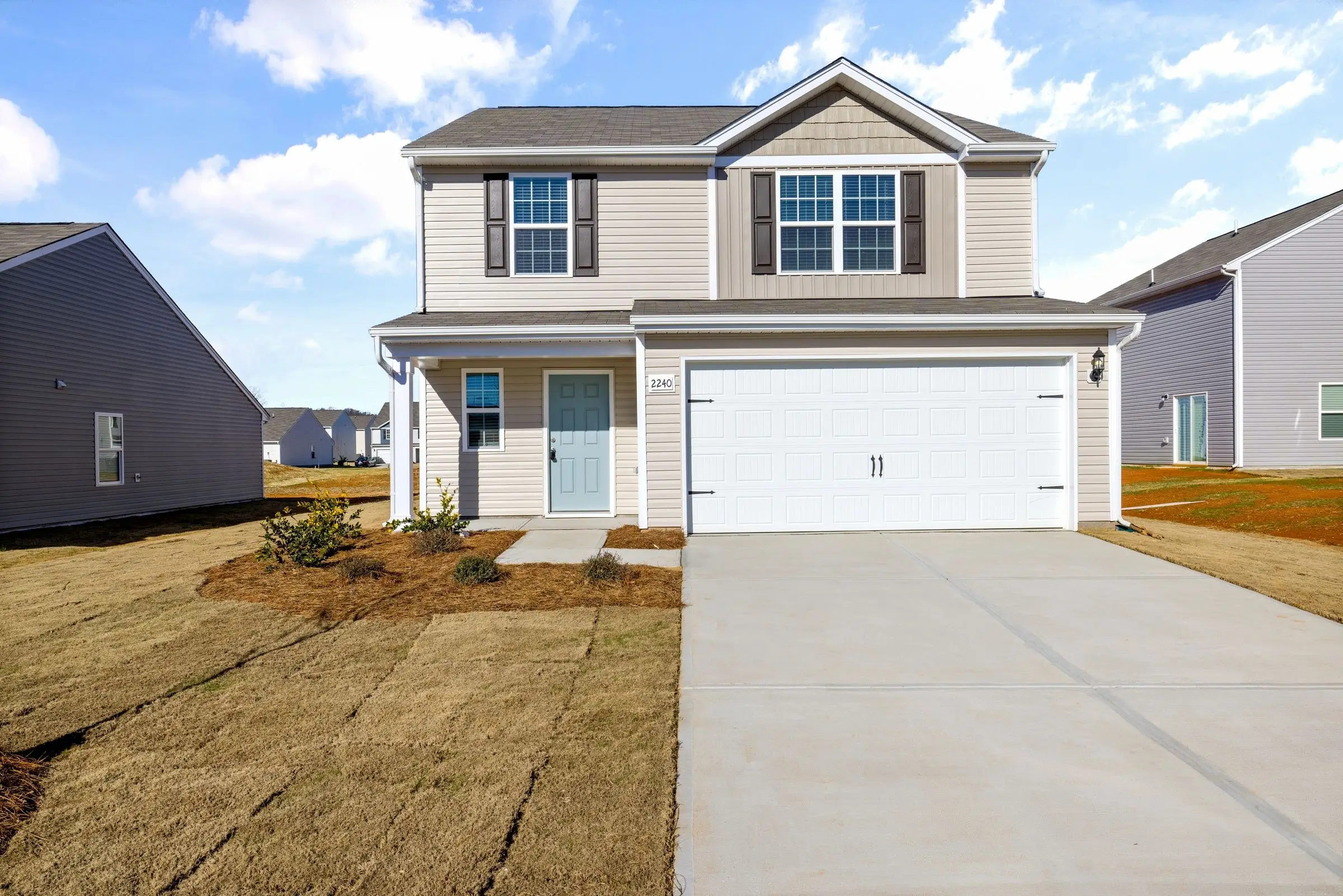
Shingle roof repair in Toronto should answer four questions before work begins: What happened to the visible shingle? Can the neighbouring courses be lifted and integrated without creating new damage? Does the location involve a valley, wall, penetration or eave? What concealed layers or deck conditions can only be confirmed during controlled access? A missing tab in an open field and a damaged course beside flashing are not the same repair.
King Roofing & Construction provides asphalt-shingle inspection, maintenance, repair and replacement across Toronto and surrounding areas. Its published service detail includes underlayment, fastening, flashing, valleys, penetrations, eaves, gutters and ventilation. Those components explain why a shingle repair is a layered construction task rather than a surface-colour match.
Asphalt shingles shed water through overlapping courses. Each piece participates in a pattern of exposure, joints and fastening that directs water downslope. A repair needs enough access to remove or lift affected material, place the replacement appropriately and restore the surrounding pattern. The condition of neighbouring shingles therefore determines more than the size of the visible defect.
The repair should preserve the intended overlap and joint relationship around the affected area. A piece attached over the top without proper integration can change how water reaches the courses below.
Fasteners and their locations are part of the system. The repair should avoid leaving exposed or poorly placed fastening as a substitute for accessing the affected course correctly.
A surface observation cannot establish the condition of underlayment across the slope. The scope should say what can be assessed when the local area is opened and how a new discovery will be handled.
If the damaged course meets a wall, penetration or valley, the repair may need enough surrounding material removed to treat the complete junction rather than stopping at the visible shingle edge.
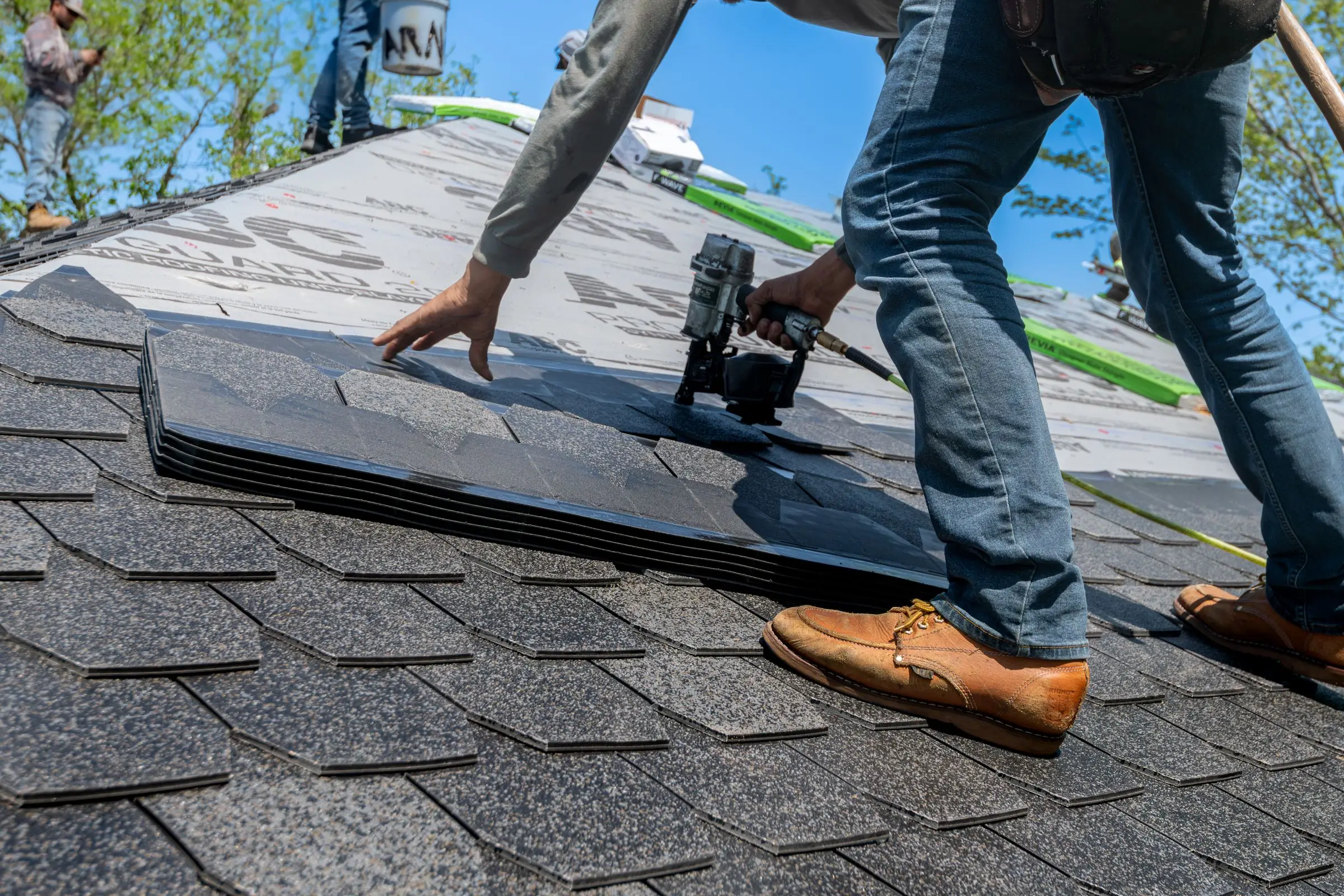
A surface defect in the middle of an uncomplicated slope may permit a small integrated repair when nearby material is suitable. The same visible defect beside a valley, dormer wall, plumbing vent or eave requires a review of that detail. Water direction and access, not just damaged area, shape the scope.
| Shingle location | Connected component | Question before repair |
|---|---|---|
| Open field | Adjacent courses, fastening and underlayment below | Can the repair integrate without compromising neighbouring material? |
| Valley edge | Valley channel and shingles from both slopes | Does the scope restore the water route through the full affected detail? |
| Dormer or wall | Flashing, siding or wall finish, and adjoining courses | Which vertical junction and length are included? |
| Penetration | Flashing detail and field shingles around the opening | Is the complete penetration assembly accessible? |
| Eave | Roof edge, gutter, soffit and fascia | Is the condition in the shingle field, drainage edge or another exterior component? |
Frost, snow, ice and freeze-thaw conditions can change how shingles look and when water becomes visible. A photo of frost on one slope can document exposure at that moment. It does not prove the cause of an interior moisture issue or justify walking on the roof. Likewise, a shingle that looks lifted in cold conditions needs safe inspection before a repair method is selected.
Record the weather, location and whether the appearance changes when conditions change. If an indoor mark appears during thawing, include that timing in the roof review. Attic air leakage, insulation and ventilation can also influence cold-weather conditions, so distinguish a surface shingle defect from a broader attic-performance question.
Winter observation: Frost remains longer on the rear slope near a bathroom exhaust route, while no indoor water is visible. The homeowner should document the pattern safely and report any attic or ceiling observations. A contractor can review the roof and penetration detail without assuming that frost alone establishes a leak.
A replacement shingle should be compatible with the existing assembly and capable of integrating into the course pattern. Colour and texture may have changed through exposure, and an exact visual match may not be possible. The homeowner should understand the expected appearance, but the more important question is whether the repair restores the water-shedding relationship and nearby detail.
The published website does not identify shingle manufacturers, product lines or warranty terms. Those details should be confirmed for the specific project rather than assumed in an article or proposal. A responsible scope can name the actual material selected when it is known and avoid promising an unavailable match before inspection.
Repair requires working with material beside the damaged area. If those shingles are too changed or fragile to lift and resecure appropriately, accessing one course may affect more of the slope. The contractor should show the homeowner where the integration boundary needs to move and why. This is different from declaring that any older roof must be replaced.
Distribution matters. One local area with suitable surrounding courses can support a different decision from similar defects spread over front, rear and garage slopes. Repair history also matters: repeated work at the same junction may indicate that the previous scope did not cover the complete detail, while unrelated repairs across the house may reflect separate events.
If the contractor proposes work across one full slope, ask which integration, appearance or condition issue makes that boundary more coherent. A roof with several planes does not automatically require all planes to be treated together. Valleys and transitions may connect them physically, so the explanation should be specific to the geometry.
A visible shingle defect deserves assessment even when no leak has appeared. An indoor leak deserves a water-path investigation even when the nearest visible shingles look intact. Sometimes the two conditions connect; sometimes they do not. Keep the repair of a confirmed surface defect separate from a promise about an unconfirmed water route until the evidence supports that link.
For an active concern, map the interior symptom and weather timing. Review valleys, walls, penetrations and roof-type transitions upslope. If the repair scope targets one shingle area, it should state whether leak investigation was part of the service and what conclusion, if any, was reached.
A small shingle repair still needs safe access and a controlled material route. Identify the driveway, garden, entrance, neighbour-facing side and occupied rooms below. Weather can change whether roof access or material handling is safe. The schedule should allow for that judgment instead of turning a minor repair into rushed work.
During completion review, identify the repaired courses from a safe perspective or with labelled images. Check the ground area below and any gutter section involved. If the work touched a dormer wall or penetration, confirm that the final record names that junction, not only the surrounding shingles.

Store a context photo, detail photo, written scope and any approved change with a consistent location name. “Rear slope below east dormer” is more useful than “roof patch.” If the house later needs maintenance or another repair, the contractor can distinguish the completed area from the remaining slopes.
For a valley repair, retain an image that shows both feeding slopes. For a penetration, show its position within the wider roof plane. For an eave repair, note the gutter and downspout receiving that water. This record preserves the connection among shingles, junctions and drainage.
After strong wind, a homeowner may see one lifted edge from the yard while other changes remain less obvious. Record the roof plane and take a wide photo safely from the ground. The contractor should review the distribution of visible movement, the course pattern, edges and junctions. One obvious location can be the start of the inspection without being the complete repair boundary.
Wind exposure can differ among front, rear, garage and addition roofs because height, orientation and nearby building forms differ. That does not make wind direction a diagnosis. It tells the reviewer which slopes experienced the event and where course integration needs close attention. Do not climb up to press a lifted shingle down or add exposed fasteners.
A defect near a rake or eave sits beside a roof termination. The repair should account for the edge detail and any gutter or fascia relationship below. Material movement and fall exposure also differ at the perimeter, so the work plan should be made by the contractor rather than copied from an open-field repair description.
The completion review confirms installation and location; later observation confirms whether the original symptom changes under comparable weather. Keep the repaired slope labelled and note subsequent wind or rain events. Do not attempt to lift shingles or probe the repair. If a visible change appears, provide a context image and the event record.
For leak-related work, compare the indoor location as well as the exterior appearance. A dry period after repair is encouraging but is not evidence about unrelated roof areas. If the same mark returns only under a specific wind direction, share that timing so the contractor can revisit the water-path reasoning rather than simply replacing another nearby shingle.
If the replacement colour differs, if adjacent shingles limited access, or if a nearby roof component was excluded, keep that note with the completion images. A future owner will then understand why the repaired area looks different and which junctions were outside the scope. Clear limitations are more valuable than a vague statement that the entire slope was repaired.
When several local repairs accumulate on one slope, plot them on the same roof diagram. The pattern may remain a series of unrelated events, or it may support a broader condition review. The diagram does not decide; it gives the next inspection a factual history.
Add the date, weather event and exact course area whenever those facts are known. A repair beside a dormer wall should not be merged with wind damage near a rake simply because both involved shingles. Separate entries preserve the different water routes and installation details.
The visible shingle starts the conversation, but the repair succeeds through course integration, appropriate fastening, surrounding material, underlayment limits and complete flashing details. A Toronto homeowner should be able to understand which of those layers are inside the scope and which remain unobserved.
That distinction protects the repair record.
For leak-related symptoms, follow the roof leak water-path guide. To understand the full shingle assembly, read the asphalt shingle roofing system guide. If repairs appear across several slopes, compare the current boundary with the shingle replacement planning article and the existing King Roofing residential service information.

