

What Toronto Roofers Check Before They Recommend a Leak Repair

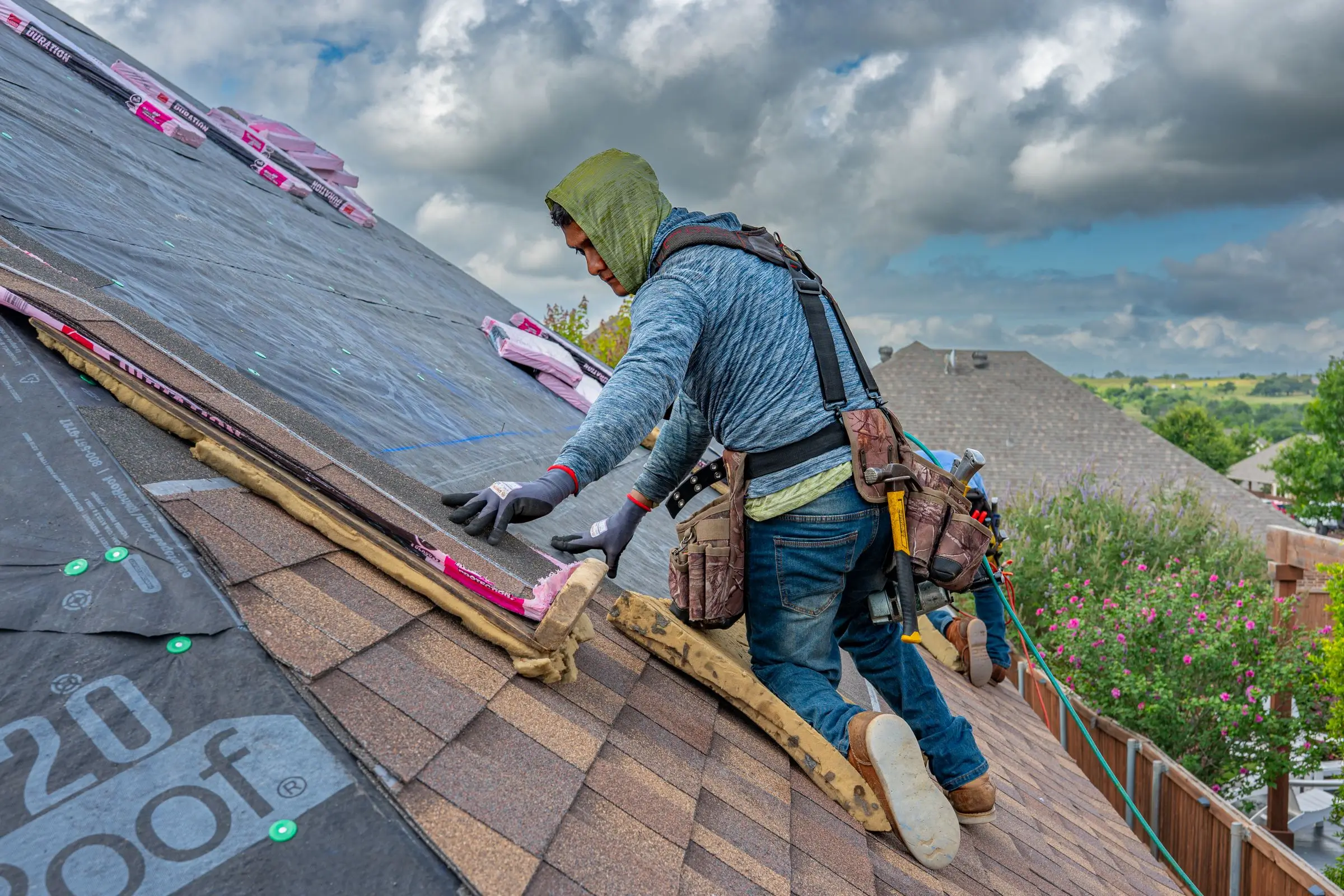
Toronto roofers evaluating a leak should not assume the wet ceiling marks the point where water crossed the exterior roof. The first task is to reconstruct the water path: when the moisture appears, which weather triggers it, what lies above and uphill from the stain, and which shingles, seams, flashing, drains or penetrations could admit water. That process is useful for homeowners with a sloped asphalt shingle roof and for owners of flat or low-slope properties. It helps keep a repair focused on the cause instead of the most convenient surface to patch.
King Roofing & Construction describes its work as inspection-led. The team supports asphalt shingle and flat roof inspection, maintenance, repair and replacement in Toronto and surrounding areas. Its roofing service overview emphasizes understanding the source before defining work, and its residential roofing page shows the roof as an assembly of shingles, underlayment, flashing, ventilation and drainage.
Toronto roofers should separate the leak symptom from the entry point
Water follows gravity, but it also follows surfaces. It can run along the underside of roof decking, a rafter, a fastener or a membrane layer before dripping into insulation and ceiling material. On a sloped roof, the entry point is often higher than the visible stain. On a low-slope roof, water can travel between layers or collect in a low area, then appear indoors at a joint or penetration some distance away.
The owner’s description is valuable because the stain is only one frame in a longer event. Roofers need the timing and weather pattern around it. A mark that appears during wind-driven rain suggests a different group of details from moisture that shows after snow melts or after a drain remains blocked. A stain that continues to darken after rainfall ends may reflect stored water travelling through materials rather than continued entry at the same rate.
Wind direction and storm duration can narrow the search
Ask whether the leak appears in every rain or only in storms from one direction. Wind can push water toward a wall flashing, raised edge, vent or loose shingle that stays dry during calm rain. Duration matters too. A brief storm may never overwhelm a slow drainage route, while hours of rain can expose a low area or partially restricted outlet.
These observations do not prove the cause. They tell the roofer where the evidence should be strongest. A good inspection still looks at the broader roof area so a coincidental surface mark is not mistaken for the source.
Interior moisture does not always begin outdoors
Natural Resources Canada notes that attic moisture can come through roof or flashing failures, but it can also be carried from the house by air leakage around vents, plumbing stacks, light fixtures and other openings. Its roof and attic guidance recommends looking for water marks, frost, wet insulation and air-leakage clues. That distinction matters because replacing exterior material will not correct condensation whose main source is indoor air.

The evidence trail Toronto roofers can follow from room to roof
A safe inspection is not a dramatic search for one obvious hole. It is a series of connected observations. Some areas may be inaccessible, concealed or unsafe, and those limits should be stated. The following trail shows what each observation can contribute without claiming that every property will allow the same access.
-
Document the room, ceiling and timing
Record the stain location, size, colour change and whether the surface is actively wet. Note the rooms, roof planes or rooftop areas above it. Photographs with dates help compare later changes. If water is near electrical fixtures or creates an immediate safety concern, occupants should avoid the area and use appropriate professional help rather than opening the ceiling themselves.
-
Review attic or concealed-space clues where access is safe
Visible staining on sheathing or framing can indicate a travel route. Wet or compressed insulation, frost, mould-like growth and discolouration can provide context, though they require careful interpretation. Bathroom exhaust ducts, plumbing penetrations and attic ventilation also belong in the review because interior moisture can imitate a roof leak.
-
Inspect the roof covering around and above the affected area
On shingles, look for lifted, damaged or missing pieces, exposed fasteners, displaced tabs and wear around the surrounding field. The roofer should consider underlayment exposure and whether the damage is local or repeated across the slope. On a flat roof, surface splits, open seams, blisters, punctures or worn areas may be relevant, but they need to be connected to the interior evidence.
-
Examine flashing, walls, valleys and penetrations
Chimneys, vents, wall junctions, skylight curbs, changes in slope and valleys interrupt the roof surface. Their flashing is intended to direct water back onto the drainage plane. A surface repair next to a transition may fail if the transition itself is admitting water behind the new material.
-
Trace where water should leave the roof
Gutters, downspouts, roof drains, scuppers and low areas show whether water has a continuous route away. Debris, sagging, disconnected outlets or standing water can keep vulnerable details wet longer. Drainage is not always the entry point, but it can create the condition that exposes one.
Shingle roof leaks in Toronto often involve an interruption in the slope
A simple roof plane can shed water effectively when shingles overlap, fasteners remain covered and edges are intact. Complexity increases at every interruption. A plumbing vent needs flashing. A dormer creates sidewalls and corners. A chimney requires carefully arranged transitions. A valley carries runoff from two slopes. An addition may meet an older wall or change the pitch.
Consider a homeowner who sees a ceiling mark near the back of a second-floor room. From the street, the nearest visible issue appears to be one cracked shingle. Above the stain, however, there is also a sidewall where a small roof meets the main house. Toronto roofers should assess the cracked shingle, but they should also follow the wall flashing, surrounding underlayment and water route. Replacing the easiest piece could leave the more influential junction untouched.
Once the likely source is identified, a shingle repair scope should state the roof area, affected shingles, underlayment condition that can be observed, nearby flashing and how the repaired field will tie into sound material. If damage extends broadly or the surrounding shingles cannot support a durable integration, that limitation should be explained before the owner approves the repair.
Flat roof leak tracing depends on drainage and surface continuity
A flat roof is usually a low-slope surface, not a level tray. Water should move toward drains, scuppers or perimeter outlets. When a manager reports a leak beneath a commercial roof, the inspection should map the interior location against rooftop features, then review the surrounding drainage zone, seams, penetrations and terminations.
Imagine water appearing in an office after prolonged rain. Directly above the stain, the roof surface looks intact, but a drain several metres away is slow and a penetration sits between the low area and the interior mark. The roofer must consider whether water is entering at the penetration, travelling within the assembly, or accumulating long enough to expose a seam. A coating placed only over the stain coordinates would not answer those possibilities.
King Roofing’s site supports flat-roof maintenance, waterproofing review, repair and replacement, but it does not identify a universal membrane or coating. The repair should therefore be selected only after the existing roof construction and condition are confirmed. A generic product claim would go beyond the evidence available for this company.
When a temporary protective action is not the final leak repair
Active water entry may require immediate steps to protect occupants and interior finishes. Those steps can reduce damage without resolving the exterior cause. A container, temporary interior protection or short-term exterior measure should be described honestly as temporary. The permanent scope still needs to address the relevant roof covering, transition, flashing, seam, penetration or drainage condition.
Likewise, dry weather after a patch does not prove success. If the original leak occurred only during wind-driven rain or long storms, the repair has not been meaningfully tested until similar conditions return or an appropriate controlled evaluation is possible. The owner should know what sign to monitor and how long the repaired area should remain part of follow-up.
Safe owner observations can improve the roofer’s first visit
Owners can document the room, time, weather direction and safe ground-level views. They should not climb onto a wet, icy or unfamiliar roof to obtain better photographs. Ontario identifies roofing as work where fall protection and working-at-heights training matter. The province’s consumer guidance for hiring a roofer encourages homeowners to ask directly about training and protective equipment.
Before the visit, gather the approximate roof age if known, past repair locations, any recent exterior work and whether the concern relates to a specific storm. For a multi-unit or commercial property, note which rooms or tenants are affected and how roof access is controlled. This evidence helps the roofer form a useful starting hypothesis without asking the owner to diagnose the assembly.
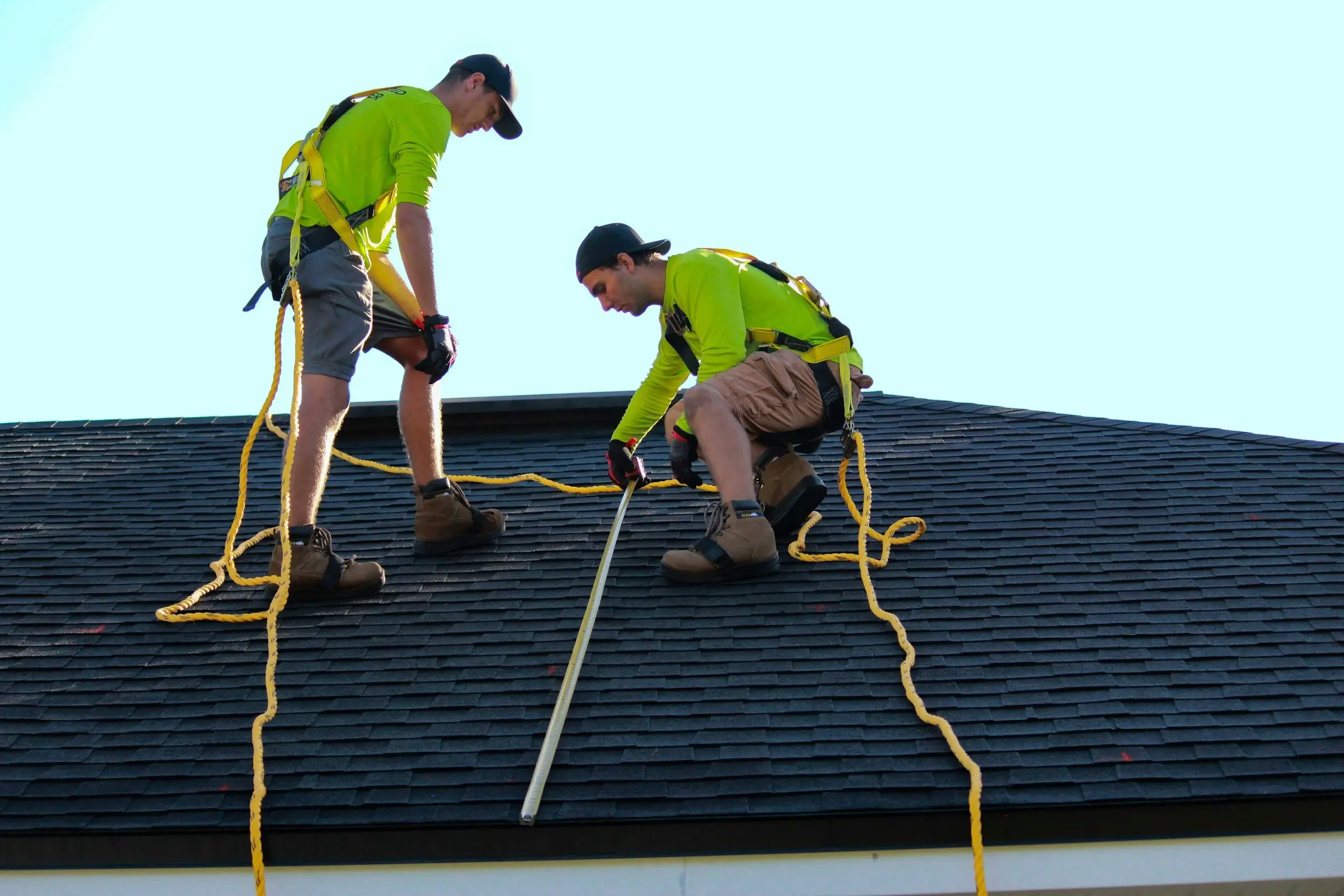
King Roofing’s inspection-led method keeps the repair tied to evidence
The company’s published process begins by listening to what the owner sees and reviewing the roof system around it. The recommendation can then distinguish maintenance, targeted repair and replacement. That sequence fits leak work because it allows the scope to name a plausible source, affected components and limits of visibility instead of relying on a standard patch.
For the homeowner, clarity means knowing why the repair area was chosen, what shingles, underlayment or flashing are involved, and what adjacent details remain outside the work. For a flat-roof manager, it means understanding the drainage zone, surface or penetration being addressed and how the result will be monitored. In both settings, cleanup and a review of the completed scope close the loop on the original symptom.
Photographs of the repaired roof detail make later monitoring more useful
A closeout photograph should show the actual roof area and the detail that was repaired, not only a wide image of the finished roof. On a shingle project, that may mean the completed valley, vent flashing or wall transition together with enough surrounding shingles to identify the location. On a flat roof, it may show the repaired seam, penetration or drainage area in relation to a fixed rooftop feature.
Keep those images with the date, original leak location and a short description of the weather that triggered the problem. If moisture returns, Toronto roofers can compare the same detail instead of starting with an unmarked roof plan. The record does not guarantee the source was found, but it makes follow-up more precise and helps distinguish the repaired area from a separate future concern.
A durable repair starts by finding the right place to work
The most important decision in leak repair is often made before any material is installed. If the evidence trail is wrong, even careful workmanship can be applied to the wrong location. Toronto roofers earn confidence by showing how the timeline, interior clues, roof details and drainage pattern support the proposed repair.
Property owners comparing the larger decision can read why Toronto leak locations and entry points differ and when a focused Toronto roof repair still makes sense. For an inspection that needs company follow-up, the King Roofing inquiry page lists the location, roof type, visible concern, timing and safe photos that are helpful to share.
