
Roofing projects in Toronto should show more than an attractive finished surface. They should demonstrate how the contractor assessed the existing roof, defined the scope, selected compatible materials, protected the property and checked the finished system. This project guide explains how King Roofing & Construction approaches residential asphalt shingle work, roof repairs and low-slope roofing across Toronto and surrounding areas.
Homeowners can use this page to understand what a professional project should include and which questions belong in a written estimate. Our objective is to recommend work that fits the roof, explain the system clearly and complete the agreed scope with attention to weather protection, drainage, ventilation and clean-up.
Roofing Project Highlights
- Service area: Toronto and surrounding communities in Ontario.
- Core work: inspections, maintenance, targeted repairs, asphalt shingle replacement and flat roof service.
- Project standard: condition-based recommendations, a clear scope, compatible roof-system components and a final review.
- Best next step: request an inspection so the estimate reflects your roof rather than a generic package.
What Good Roofing Projects in Toronto Should Show
A roof is a connected assembly, not a single product. On a sloped residential roof, the visible shingles work together with the deck, underlayment, eave and valley protection, flashing, ventilation, fasteners and drainage details. On a low-slope roof, membrane continuity, seams, penetrations, perimeter details and drainage become central. A premium surface material cannot compensate for an unsuitable substrate or incomplete transition detail.
Useful project documentation should answer five questions: What condition did the crew find? Why was repair or replacement recommended? Which layers were included? How were vulnerable transitions handled? What was checked before completion? These answers are more useful than distant after photos alone.
Toronto-area properties also face rain, wind, snow and repeated temperature changes. We account for the roof geometry and the areas most exposed to water movement, including eaves, valleys, wall intersections, vents, chimneys and low-slope transitions. The correct solution still depends on the individual property; a photo or online description cannot replace an on-site assessment.
Environment and Climate Change Canada’s 1991–2020 Toronto climate normals document local temperature and precipitation patterns, reinforcing the need to plan for seasonal exposure.
Residential Roofing Projects: Asphalt Shingle Replacement
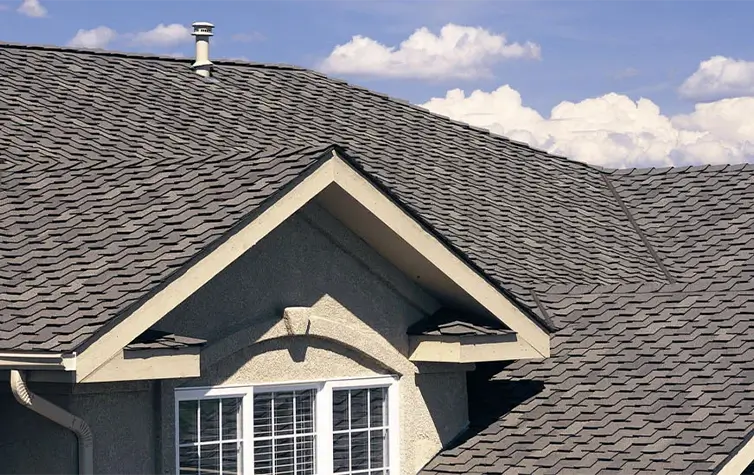
Many of our residential roofing projects in Toronto involve asphalt shingle systems. Replacement may be the practical option when wear is widespread, multiple areas are failing or the existing assembly can no longer be addressed reliably with a focused repair. We begin by reviewing visible conditions and discussing the homeowner’s concerns before defining the work.
What the replacement scope may include
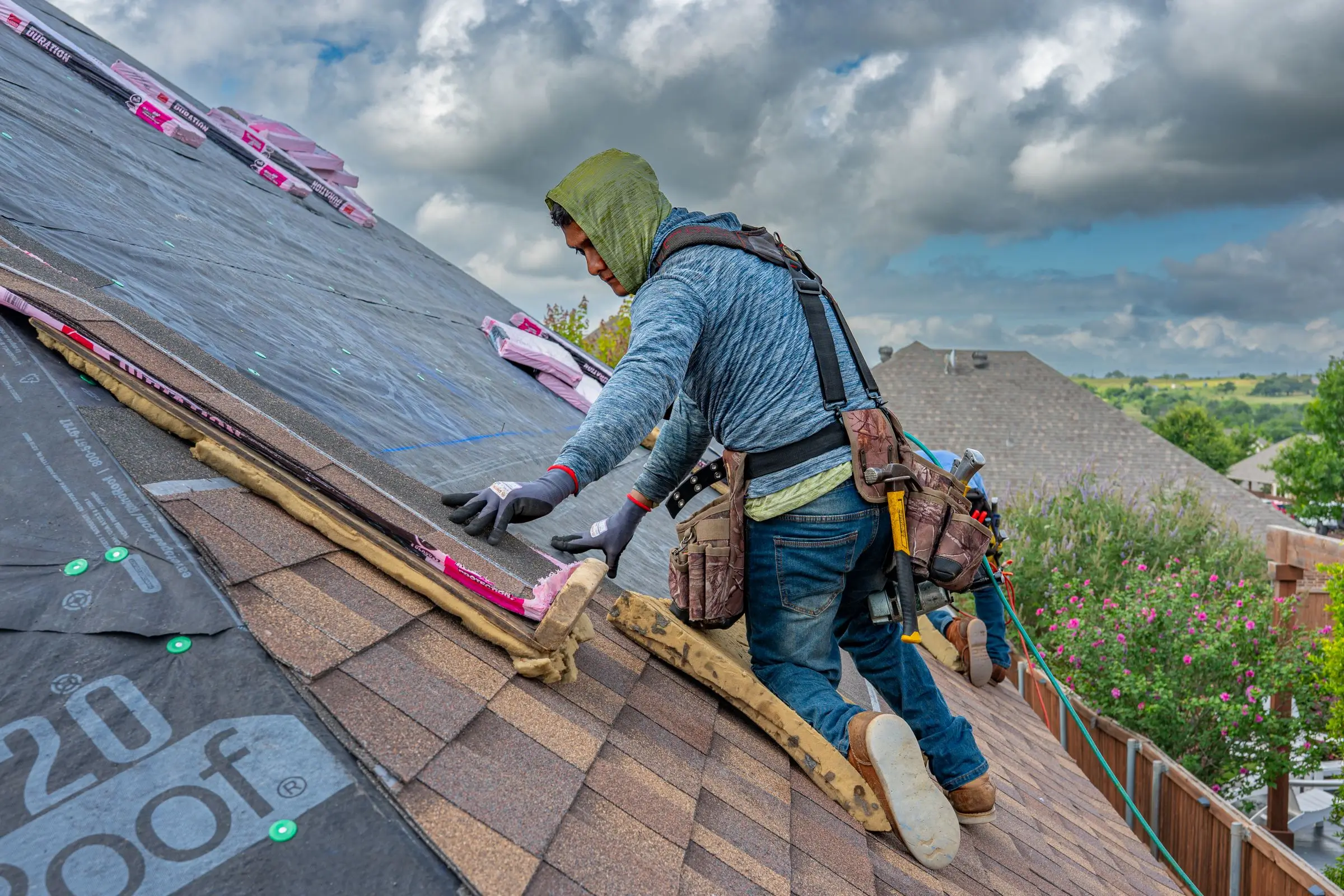
- Reviewing the existing shingles, flashing, penetrations, roof edges and visible drainage conditions.
- Removing the roofing materials included in the agreed scope and exposing the working surface for review.
- Identifying visible deck areas that require discussion before the new system covers them.
- Installing the specified underlayment and protective materials in the locations defined by the project.
- Completing shingle courses, valleys, ridges, vents, wall transitions and flashing details as applicable.
- Removing roofing debris, completing a ground-level clean-up and reviewing the finished work.
Product selection matters, but suitability matters more than marketing language. Shingle profile, colour and manufacturer are only part of the decision. Roof pitch, exposure, ventilation, existing conditions, accessory compatibility and installation requirements should also inform the scope. We explain options so the homeowner can compare a complete system.
Roof Repair Projects and Leak Investigation
Not every roof concern calls for full replacement. A localized repair can be appropriate when the source is identifiable and the surrounding system remains serviceable. Examples may include lifted or missing shingles, a vulnerable penetration, damaged flashing, a limited transition problem or maintenance around a specific detail.
Leak investigation requires care because the interior stain is not always directly below the point where water entered. Water can move along decking, framing or another surface before it becomes visible indoors. Our process starts with the reported symptom and then reviews plausible entry points. We avoid promising a diagnosis from a single photograph when the roof needs a closer assessment.
The recommendation should distinguish between the immediate concern and the overall roof condition. A focused repair may address a defined defect, but it does not make an aging roof new or guarantee that unrelated areas will not require future work. Explaining that limitation is part of a professional recommendation.
Flat Roof Projects for Residential and Commercial Properties
Flat and low-slope roofs behave differently from steep-slope shingle roofs. Water moves more slowly, so drainage, seams, penetrations, edges and transitions require close attention. Service may involve maintenance, waterproofing work, a targeted repair or broader replacement depending on the assembly and the conditions found.
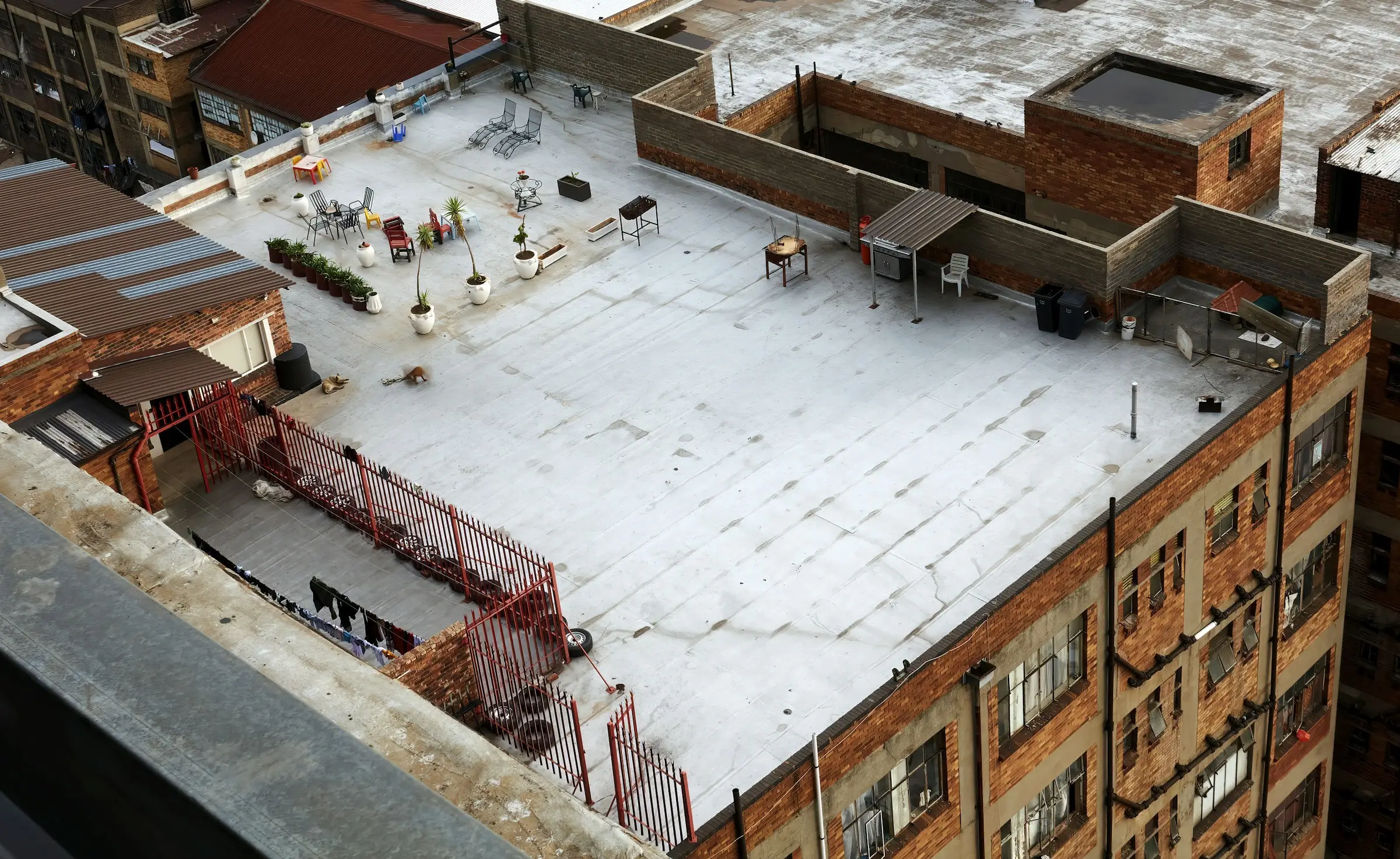
A useful flat roof assessment considers visible membrane condition, open seams or splits, ponding patterns, drainage paths, roof-mounted equipment and perimeter conditions. The scope should identify what is included and what remains outside the work area. Where structural concerns or major alterations are involved, additional professional review or permits may be required.
The City of Toronto explains that replacing existing roofing material generally does not require a building permit when no structural work is involved, while structural or material alterations may require one. Property owners should confirm the requirements for their specific scope with Toronto Building rather than assuming every roofing project is identical.
Our Professional Roofing Project Process
Professionalism is visible before, during and after installation. King Roofing & Construction uses a seven-point framework to keep the work understandable and organized.
- Listen: document the property owner’s concerns, visible symptoms, timing and priorities.
- Inspect: review accessible roof areas and relevant details based on the requested service.
- Define: explain whether maintenance, a focused repair or replacement is the practical path.
- Scope: identify the included roof areas, materials, system components and known exclusions.
- Prepare: organize access, materials, property protection and the work sequence.
- Complete: perform the agreed work with attention to transitions, weather-shedding details and site organization.
- Review: check the completed scope, clean the work area and address the owner’s final questions.
Roofing is also work at height. Ontario requires workers on construction projects who use specified fall-protection systems to complete approved working-at-heights training before using that protection. Project-specific planning and equipment remain important in addition to formal training. Homeowners should expect the contractor to take site safety seriously and should avoid entering controlled work areas.
How We Think About Roofing Products and Materials
The “best” roofing product is the one that is appropriate for the assembly, installed as a compatible system and supported by a clear scope. For asphalt shingle projects, we consider the visible shingle together with underlayment, protective membranes, flashing, ventilation and drainage details. For flat roofs, we focus on membrane compatibility, seams, penetrations, perimeters and water movement.
We do not recommend a material solely because it carries the highest price or the strongest advertising claim. The homeowner should understand what product is being proposed, where it will be installed, which accessories are included and which manufacturer requirements apply. Written product names and scope details make it easier to compare quotes fairly and reduce ambiguity once the project begins.
How to Compare Quotes for a Toronto Roofing Project
A low total without a defined scope can be difficult to compare with a detailed proposal. Ask each contractor to describe the same project components so you can identify real differences rather than comparing headline prices.
| Quote item | What to look for |
|---|---|
| Roof areas | Which slopes, additions, porches or flat-roof sections are included? |
| Removal and disposal | What existing materials will be removed, and how will debris be handled? |
| System components | Are underlayment, membranes, flashing, ventilation and accessories identified? |
| Deck conditions | How will visible damaged decking be communicated and priced if discovered? |
| Property protection | How will landscaping, entrances, siding and the work area be managed? |
| Completion | What clean-up, final review and documentation are included? |
The Government of Ontario recommends a written roofing contract and explains the consumer protections that apply to home-renovation agreements. Its guidance identifies details that belong in the contract and notes that certain direct agreements signed in the home have a 10-calendar-day cooling-off period. Review the current provincial guidance and obtain advice for your circumstances if you have legal questions.
Why Property Owners Choose a Clear, Inspection-Led Approach
Our role is not to pressure every caller toward the largest project. It is to assess the roof, explain the condition we can observe and define a practical scope. That may mean maintenance, a targeted repair or coordinated replacement. Clear communication lets the owner understand what the proposed work is intended to accomplish—and what it cannot promise.
King Roofing & Construction works with residential asphalt shingle systems and residential or commercial flat roofs across Toronto and surrounding areas. We also consider related flashing, drainage, gutter and ventilation details when they affect the roof system. Our standard is built around careful assessment, straightforward recommendations, compatible materials and organized work from preparation through final clean-up.
Frequently Asked Questions About Roofing Projects in Toronto
How do I know whether my roof needs repair or replacement?
The decision depends on the location and extent of damage, the condition of surrounding materials and whether a focused repair can address the cause reliably. An inspection helps separate a localized defect from widespread wear. We explain the observed condition and the practical options before defining the project scope.
What should be included in a residential roof replacement quote?
A useful quote identifies the roof areas, removal work, primary materials, underlayment or protective layers, flashing and ventilation details, disposal, property protection and clean-up. It should also explain how unexpected deck conditions will be communicated. Written specifics make competing proposals easier to compare.
Does replacing roof shingles in Toronto require a building permit?
According to the City of Toronto, replacing existing roofing material generally does not require a building permit when no structural work is involved. Structural or material alterations may require approval. Because every scope differs, confirm current requirements with Toronto Building before work begins.
Which areas does King Roofing & Construction serve?
We serve Toronto and surrounding areas in Ontario. The project type, property location, roof access and requested timing help determine availability. Contact us with the address and a short description of the concern so the team can discuss the most useful next step.
Plan Your Toronto Roofing Project
A strong roofing project starts with a clear understanding of the existing roof. If you are comparing roofing projects in Toronto because your home has missing shingles, visible wear, a leak, drainage concerns or an aging system, begin with an inspection-led conversation.
Request a roofing estimate or call (437) 351-2523. You can also learn more about our residential roofing services, read about our approach, or browse the roofing blog.
Reviewed by King Roofing & Construction. Updated August 26, 2026. General information only; site conditions, product requirements and permit needs vary by property.